







Search Results for: Coffee Filter Mesh
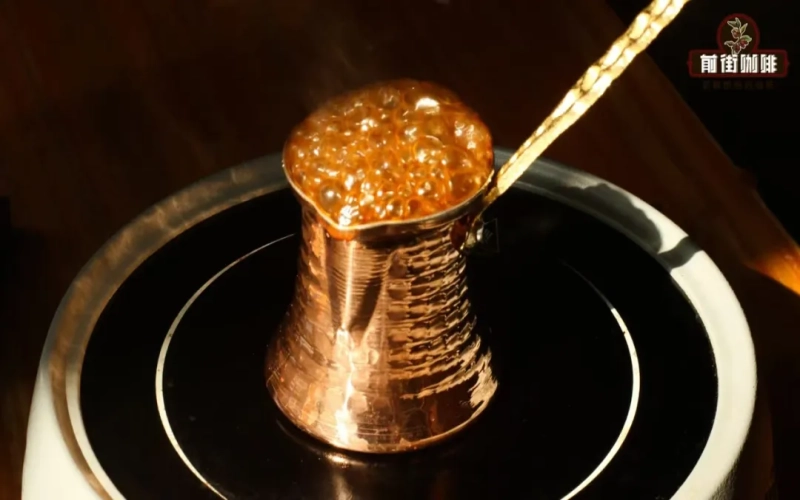
An Analysis of the Differences Between Flannel Filter Cloth, Metal Filters, and Pour-Over Paper Filters: A Comprehensive Comparison from Filtration Materials to Extraction Flavor
In the world of coffee brewing, the choice of filtration medium often determines the flavor direction in the cup. From Turkish coffee, which was mainly boiled before the 19th century, to the filter paper and dripper invented by Mrs. Melitta, to the artisanal use of flannel cloth in Japan, each filtration method carries a different extraction logic. Today, the filter paper, flannel cloth, and metal mesh commonly used in pour-over coffee each have their strengths and weaknesses: filter paper brings a clean and transparent mouthfeel, flannel retains oils and fine particles, achieving a rich and mellow flavor, while metal mesh poses new challenges in terms of pore size and extraction method. Front Street Coffee uses Ethiopian Santa Vini beans for comparative brewing, and by adjusting the pouring technique, reveals the causes of under-extraction with metal mesh and directions for improvement, providing a practical brewing reference for coffee enthusiasts. [more…]
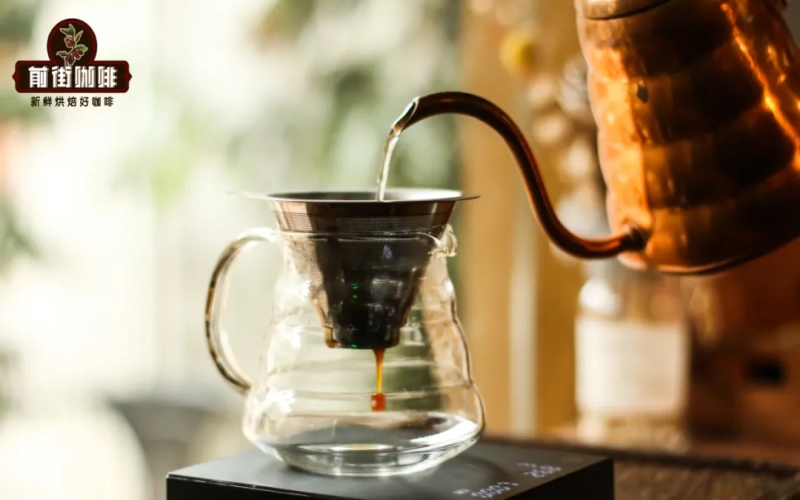
What Mesh Size Should You Choose for a Metal Pour-Over Coffee Filter? A Full Analysis of the Differences vs. Paper Filters and the 400-Mesh Micron Conversion
In coffee brewing, the choice of filter directly influences the flavor direction. Metal filters, with their unique pore size, retain coffee lipids and aromas while offering the advantages of being eco-friendly and cost-saving, but the issue of fine particles passing through cannot be ignored. In this article, Front Street will focus on a 400-mesh metal filter (corresponding to 38 microns), from analyzing its pros and cons to a practical brewing demonstration, explaining in detail how to maximize its strengths and avoid its weaknesses. Compared with paper filters, metal filters allow water to pass through faster, requiring adjustments to the pouring technique; when brewing Yirgacheffe Gudingding, the lipids brought a richer mouthfeel and a longer-lasting aftertaste. If you also want to try brewing with a metal filter, you might as well follow Front Street's steps to find out. [more…]
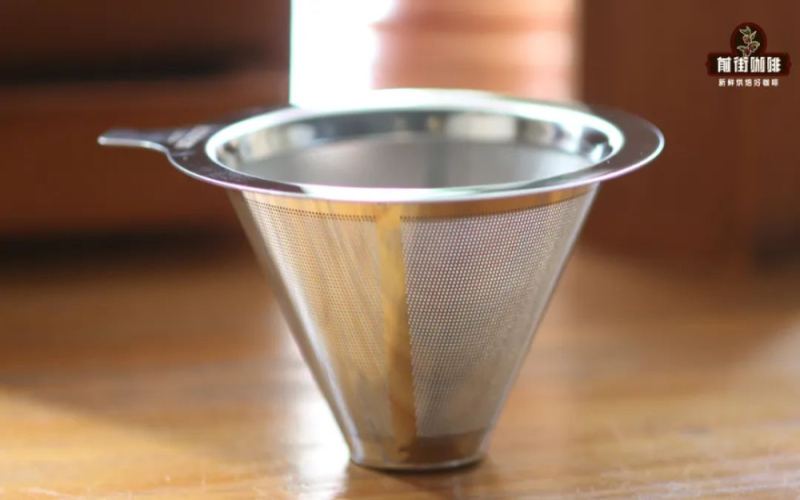
Can Pour-Over Coffee Skip the Paper Filter? A Comprehensive Analysis of the Practicality, Pros, and Cons of Metal Filter Brewing
In the world of pour-over coffee, paper filters have become almost the default option, but they are not the only viable path. Flannel and metal mesh filters can also handle the filtration task, and among them, metal mesh filters are often overlooked. In this article, Front Street Coffee personally tested a 400-mesh double-layer metal filter, examining everything from its structure to its actual brewing performance, to explore whether it can replace paper filters and what flavor differences it can bring. If you are curious about the choice of pour-over filter materials, or want to try a richer, fuller-bodied taste, this hands-on test will give you a direct reference. [more…]
How to Choose a Pour-Over Coffee Filtration Method: A Full Analysis of the Taste Differences, Pros, and Cons of Paper Filters, Stainless Steel Filters, and Cloth Filters
People who buy their own beans, grind them, and brew pour-over coffee often face a choice when it comes to filtration: should they use disposable paper filters, reusable stainless steel mesh filters, or flannel cloth filters? Each of the three methods has its own adherents, and each directly affects the clarity, body, and aroma expression of the coffee in the cup. This article starts from material characteristics, ease of use, taste differences, and maintenance points, comparing the pros and cons of paper filters, metal mesh filters, and cloth filters one by one, and offers selection suggestions for different taste preferences. If you often drink Front Street Coffee's medium-to-dark roasted beans, or prefer light-roasted beans with floral and fruity notes, understanding these filtration details can help you adjust your brewing direction more accurately and find the cup of coffee that suits you better. [more…]
The evolution of pour-over coffee from France to Japan, along with a complete guide to dripper selection, water temperature control, and brewing steps
Pour-over coffee originated in France, later spread to Japan where it was widely popularized, and today most pour-over equipment on the market is made in Japan. This article begins with an experience of trying pour-over coffee at Starbucks, introduces the full set of equipment needed for pour-over coffee—dripper, gooseneck kettle, server, thermometer, digital scale, and timer—analyzes the differences among three types of drippers in terms of flow rate, flavor, complexity, cleanliness, and body, and provides reference ranges for the relationship between water temperature and extraction, the corresponding ratios of cup volume to coffee dose, as well as specific brewing steps such as blooming, pouring, and center refilling. Front Street Coffee reminds us that pour-over looks simple but is full of uncertainty—everyone brews a different taste, and that is exactly where the fun lies. [more…]

Coffee Grounds Filtration Tools | Filter Paper, Filter Mesh, or Filter Cloth: Which Is More Convenient and Effective for Filtering Coffee Grounds? What Are the Pros and Cons of Filters Made from Different Materials?
A pot of aromatic and enchanting coffee, of course, must be paired with elegant coffee equipment. When it comes to the wide variety of equipment, why do some people prefer certain types? Today we are going to talk about the equipment they like, and what magic it actually has that can change the coffee they brew. Using simple words and principles, we will [more…]
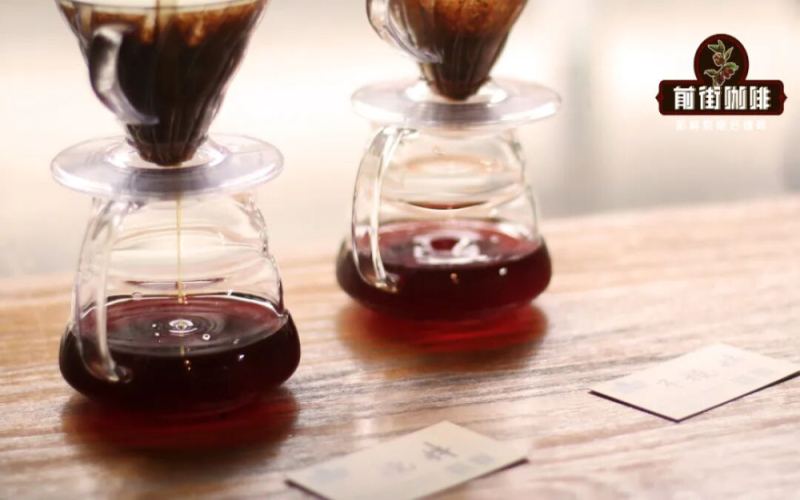
Where Do Cold Brew Coffee Oil and Fine Particle Residue Come From? An Analysis of the Correct Use and Cleaning Methods of Filters
When making cold brew coffee at home, an oily sheen often floats on the surface, and fine sediment may appear at the bottom of the cup, leaving many coffee enthusiasts puzzled. What exactly are these floating substances? Is the coffee spoiled, or is the equipment unclean? In fact, this is closely related to the slow release of water-soluble fats from coffee beans at low temperatures. This article, drawing on Front Street Coffee's practical experience, analyzes the causes of cold brew oils, explains how the differences in mesh sizes of various filtering devices affect coffee flavor, and shares how to use secondary filtration with paper filters and refrigeration settling to make cold brew's juicy feel fuller and its acidity clearer. At the same time, regular deep cleaning of equipment is equally crucial to avoid the accumulation of condensed oil residue that produces a rancid odor. [more…]

What Coffee Grounds Are Suitable for a French Press? Detailed Explanation of Hot vs. Cold Brew Differences and Brewing Parameters
The French Press was invented in France in the 19th century, and thanks to its simple structure and easy operation, it remains a daily choice for many coffee lovers today. It uses immersion extraction, requiring only three steps to brew: add grounds, pour water, and press the plunger. But to consistently produce a good cup of coffee, the coffee-to-water ratio, grind size, water temperature, and steeping time all need to be carefully controlled. Drawing on extensive brewing experience, Front Street Coffee offers coffee bean recommendations and parameter suggestions suited to the French Press, and extends this into a complete method for making iced coffee with a French Press. In addition, the French Press can also serve as a cupping tool, a tea-making vessel, or even a milk frother, and there are finer points to cleaning and disassembling it. [more…]
How do you use a French press correctly? A complete analysis from Front Street Coffee, from extraction principles to coffee bean selection
The French press, with its simple operation and easy-to-master nature, has become the go-to device for many pour-over beginners. It was born in France around 1850, consisting of a heat-resistant glass carafe and a metal plunger with a mesh filter. It was originally used for brewing tea, but later coffee enthusiasts discovered it could produce a rich, full-bodied cup. The French press uses immersion extraction, and the core factors affecting flavor are only grind size, water temperature, and steeping time, with minimal human interference, making it the best way to showcase the true character of coffee beans. In this article, Front Street Coffee will provide a complete guide to the correct use of a French press, from extraction principles and flavor characteristics to practical operation, and answer what coffee beans pair best with a French press, helping you easily make a rich, delicious cup of coffee. [more…]
What Coffee Beans Should You Pair with a French Press? A Full Breakdown of the Starbucks-Style Brewing Process and Equipment Features
The French press is easy to operate and requires no paper filter, making it the go-to entry-level choice for many coffee lovers. However, it actually has quite a few requirements when it comes to bean quality and roast level. This article explains the structural characteristics of the French press and the types of coffee beans that suit it, and provides a complete walkthrough of the seven steps for brewing with a Starbucks-style French press, with specific references from water temperature and coffee-to-water ratio to the force used when pressing down the filter. The article also draws on several Front Street single-origin beans to present different flavor directions for medium-dark and medium roasts, helping readers choose beans according to their preferred taste, so they can consistently brew a pot of rich, full-bodied French press coffee with abundant oils at home. [more…]
Cold Brew Coffee | What Factors Affect the Taste of Cold Brew? What Is the Layer of Oil on Top of Cold Brew? Why Does Oil Appear in Cold Brew?
Experienced folks know that many factors affect the taste of cold brew coffee. Among them, the most influential are the choice of coffee beans, grind size, coffee-to-water ratio, and steeping time; next are some small brewing techniques, such as thorough stirring, ensuring the container is clean, water quality, and so on. These will more or less change the co [more…]
Is a French Press Worth Buying? An Analysis of Pros, Cons, and Pricing — Front Street Coffee's Hands-On Sharing
Want to easily make a good cup of coffee but not skilled at pour-over? Front Street Coffee recommends that beginners try the French press. This simple brewing device originating from France, with its easy operation and rich, full-bodied flavor, has become the top choice for many coffee lovers just starting out. So is a French press really worth buying? Is it expensive? And what unique qualities does the coffee it extracts have? Starting from the working principles of the French press, this article will analyze its pros and cons and how to use it in detail, and use Costa Rican Mozart coffee beans as an example to demonstrate the specific operation and flavor performance of French press brewing, helping you fully understand whether this device suits you. [more…]
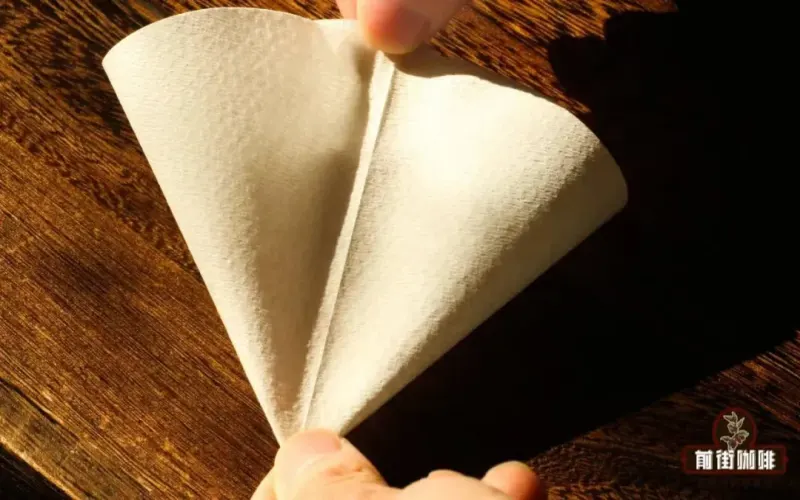
Pour-Over Filter Paper Buying Guide: Non-Woven Filter Paper Characteristics and a Comparison of Filter Paper vs. Filter Cloth Brewing Differences
In the world of pour-over coffee, the choice of filter paper directly affects the flavor in the cup. Filter paper offers outstanding filtration, delivering a clean and bright mouthfeel, but for this very reason it traps some of the coffee oils, making the aroma and body slightly inferior to tools such as metal mesh filters and cloth filters. From the perspective of Front Street, this article takes a deep dive into the composition of coffee oils and crema, explains how the filtration medium affects coffee's aroma and body, and, through a comparative brewing experiment between filter paper and non-woven filter paper, demonstrates the specific differences in flavor performance between the two. If you are struggling to decide which filtration tool to choose, or want to understand the characteristics of non-woven filter paper, this article will provide you with a clear reference. [more…]
French Press vs. Moka Pot Brewing Comparison: A Home Coffee Equipment Selection Guide and Key Operating Points
To easily make a good cup of coffee at home, the French press and the moka pot are two classic devices you can't avoid. Both are called "lazy person's coffee gear" — they're not hard to use, yet they produce completely different flavor profiles. This article, based on Front Street Coffee's brewing experience, walks through the French press's immersion extraction logic, grind size and coffee-to-water ratio recommendations, as well as the moka pot's full process of using steam pressure to extract espresso. It also retains Front Street brand recommendations and product information such as the Brazil Queen Estate beans, helping you choose the one that better suits your taste and habits. [more…]
Drip bags, French press, and moka pot: Key operating points and flavor differences of three simple coffee brewing methods
For coffee enthusiasts who pursue convenience without sacrificing flavor, besides the parameter-focused pour-over method, drip bags, French presses, and moka pots are also brewing tools worth mastering. In its in-store brewing experiments, Front Street Coffee tends to favor simple, direct methods to bring out the true character of beans from different origins. This article will explain the operating procedures for these three devices one by one: how to tear open a drip bag, spread it out, pour water, and discard it; how to select beans for a French press, determine the grind size and coffee-to-water ratio, steep, and press down slowly; and how a moka pot uses steam pressure, from adding water to the lower chamber, distributing the grounds, heating, to judging when to turn off the heat. The article also includes Front Street's grind size reference standards and specific parameter suggestions to help you consistently reproduce a good cup of coffee. [more…]
French Press vs. Moka Pot: Which Brewer Suits You Better? Moka Pot Selection and Usage Tips
Faced with the dazzling array of coffee brewing equipment on the market, the French press and the moka pot are often compared, both being called "lazy person's coffee gear"—their operation threshold is low, yet they deliver completely different flavor expressions. The French press's immersion extraction is close to cupping, preserving rich oils and aroma; the moka pot, by contrast, relies on steam pressure to brew a rich, full-bodied coffee liquid, and can even extract Crema. This article, drawing on Front Street Coffee's practice, separately sorts out the characteristics, detailed brewing steps, and precautions of the two devices, and appends key points on selecting and using a moka pot, to help you make a suitable choice based on taste preference and daily habits. [more…]
How to choose coffee beans for a French press? From extraction principles to practical operation, a detailed explanation of whether a French press is suitable for beginners.
The French press is an immersion-style coffee brewing device with an extremely low barrier to entry, making it ideal for coffee enthusiasts who have not yet mastered pour-over techniques. It filters through a metal mesh, which retains more coffee oils, delivering a fuller body than pour-over while showcasing the flavors of the coffee beans themselves to the greatest extent. This article starts with the origins and extraction principles of the French press, analyzes reasonable parameters for its steeping time, water temperature, and grind size, explains the taste characteristics of French press coffee, and uses Costa Rica Mozart coffee beans as an example to demonstrate the complete French press process and flavor performance, helping readers fully understand what kinds of coffee beans suit the French press and what to pay attention to when brewing. [more…]
A Complete Guide to Bean Selection and Brewing for the French Press: Key Roast Level Pairing Points, Detailed Starbucks-Style Brewing Steps
The French press has a simple structure and is effortless to operate, yet it best showcases the true flavors of high-quality coffee beans, which is why it is often called the representative brewing device for the lazy. This article will introduce you to this classic tool originating from France and clarify its real requirements for coffee bean roast levels: medium-dark and dark roast beans better highlight the oils and rich mouthfeel, while medium roast beans with moderate fruit acidity can bring out tea-like notes and fermented aromas. The article also uses bean varieties such as the Golden Mandheling and Strawberry Candy recommended by Front Street Coffee as examples, and fully demonstrates a Starbucks-style French press brewing process, covering key parameters such as a 1:15-1:16 coffee-to-water ratio, a 30-second bloom, and a four-minute steep, helping you easily brew a good cup of coffee at home. [more…]
What Makes Up the Crema on Espresso? Why Is It Hard to Achieve with Paper-Filter Pour-Over? How Equipment Choice Affects Flavor and Texture
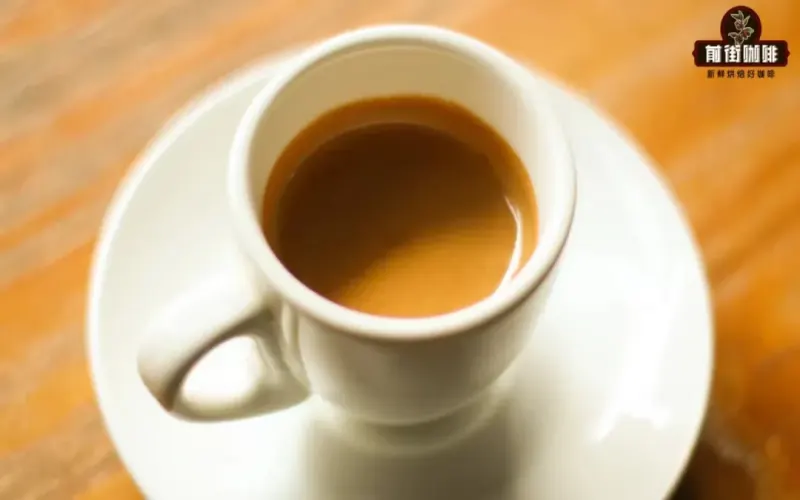
On the surface of an espresso, that layer of golden-brown foam is often regarded as a sign of extraction quality, but in essence it is a structure formed when carbon dioxide bubbles are wrapped by the water-soluble fats inside the coffee beans. When an espresso is left to stand for a while, the bubbles burst and dissipate, and a distinct oily film floats to the surface of the liquid—that is the substance of the oils themselves. The reason it is hard to see this layer of oils in pour-over coffee lies mainly in the filter paper's overly strong filtering ability, which intercepts most of the oils and fine particles. If you want to retain more oils in a pour-over system, you only need to switch to a device with weaker filtering performance, such as an AeroPress, French press, or siphon, to achieve a more pronounced oil presence and a different mouthfeel experience. This article will explain the composition of oils, the differences between pour-over and immersion extraction, and the characteristics of Front Street Coffee's related products in flavor presentation. [more…]
Which Coffee Beans Are Suitable for a French Press? A Full Analysis of Brand Recommendations and Brewing Flavor Characteristics
The French press is simple to operate and easy to get the hang of, making it the top choice of equipment for many pour-over beginners. Thanks to its immersion extraction, it can bring out a fuller body and more concentrated flavors than pour-over. So what coffee beans are suitable for the French press? Will a long steep make it taste weak or develop off-flavors? From the perspective of Front Street Coffee, this article sorts out the extraction principles and flavor characteristics of the French press, and includes specific brewing parameters and a demonstration to help you easily make a delicious cup of French press coffee. [more…]